Periods can vary in duration and menstrual flow. Some women naturally experience heavier bleeding than others. A significant change in your usual pattern may require medical assessment. Heavy menstrual bleeding can affect daily activities & may contribute to tiredness or iron deficiency.
Heavy periods can have several underlying causes. These include hormonal changes, uterine fibroids, bleeding disorders & other medical conditions.
This guide explains the common causes of heavy periods, when to see a doctor, & available treatment options.
What Are Heavy Periods?
Heavy menstrual bleeding refers to excessive or prolonged menstrual blood loss that may affect daily activities.
Healthcare professionals consider the amount of bleeding, how long it lasts & how it affects your daily life.
You may have heavy periods if you:
- Need to change sanitary protection every one to two hours
- Pass large blood clots
- Bleed through clothes or bedding
- Need to use more than one type of sanitary protection
- Have periods that last more than seven days
- Need to wake during the night to change protection
- Avoid work, exercise or social activities because of your periods
- Feel unusually tired or weak during or after your period
- Experience dizziness or feel short of breath
These symptoms can occur when ongoing blood loss affects your iron levels. One unusually heavy period does not always indicate an underlying condition. However, seek medical assessment if your menstrual pattern changes repeatedly or remains abnormal.

Note -
Heavy menstrual bleeding is not defined by blood loss alone. Healthcare professionals also consider how bleeding affects your physical, social & emotional quality of life.
Understanding Menstrual Flow
Your menstrual flow can change throughout your reproductive years. The amount of blood during your period may vary from one cycle to another. Factors such as hormonal changes, age & certain health conditions can affect the amount & duration of heavy bleeding during periods.
Your usual pattern can provide an important reference point.
If your blood flow becomes heavier than usual, your periods last longer, or you pass large clots, seek medical advice. A change does not necessarily indicate a serious condition. However, an assessment can help identify the possible cause.
What Causes Heavy Periods?
Several underlying conditions can contribute to heavy menstrual bleeding. Some relate to hormonal changes. Others involve the womb, menstrual cycle or blood clotting process.
Common heavy periods causes include:
- Hormonal imbalance
- Uterine fibroids
- Bleeding disorders
- Polycystic ovary syndrome (PMOS)
- Endometriosis
- Adenomyosis
- Thyroid conditions
- Certain medicines
- Other health conditions
Sometimes, doctors cannot identify one specific cause. Further assessment can still help rule out certain conditions & identify suitable treatment options.
Hormonal or ovulation-related problems
Hormones help regulate the menstrual cycle. Oestrogen & progesterone influence the growth & shedding of the uterine lining. Changes in hormone levels or problems with ovulation can affect this process.
This may lead to heavier, longer or irregular bleeding. Changes in menstrual patterns can occur during puberty, after pregnancy & during perimenopause. Conditions such as polycystic ovary syndrome (PMOS) can also affect ovulation & menstrual cycles.
Uterine Fibroids
- Heavy periods
- Longer periods
- Pelvic pressure
- Pelvic pain
- Frequent urination
- Discomfort during sex
The size & location of a fibroid can affect the symptoms it causes. An ultrasound scan can help identify fibroids & assess their size & location.
Bleeding Disorders
Some women have bleeding disorders that affect the body's ability to form blood clots. These disorders can cause heavy or prolonged menstrual bleeding. Von Willebrand disease is one example.
Some women with a bleeding disorder have experienced heavy periods since their first menstrual cycle. They may also have a history of excessive bleeding after surgery, dental procedures or injuries. A healthcare professional may ask about your personal & family history. A blood test may help investigate a possible bleeding disorder.
Polyendocrine Metabolic Ovarian Syndrome
Polyendocrine Metabolic Ovarian Syndrome (PMOS) can affect ovulation & menstrual cycles. Women with PMOS may experience irregular or abnormal periods. Some women have fewer periods than usual. Others may experience unpredictable or prolonged bleeding.
PMOS can also cause symptoms such as acne, excess hair growth & difficulty becoming pregnant. If you experience irregular periods with other symptoms, seek medical assessment for possible PMOS.
Other Medical Conditions
Several medical conditions can cause heavy menstrual bleeding. These include thyroid disorders, endometriosis & adenomyosis. Certain medicines, including blood-thinning medicines, can also increase menstrual bleeding.
A medical assessment can help identify the underlying cause based on your symptoms & medical history.
Can Heavy Periods Cause Iron Deficiency?
Heavy menstrual bleeding can lead to ongoing blood loss. Your body needs iron to produce haemoglobin. Haemoglobin helps red blood cells carry oxygen around the body. Continued blood loss can reduce your iron stores.
If this continues, you may develop iron deficiency or iron deficiency anaemia.
Symptoms can include:
- Tiredness
- Weakness
- Dizziness
- Headaches
- Pale skin
- Difficulty concentrating
- Reduced energy
- Feeling short of breath
A blood test can help check for anaemia & iron deficiency. Your doctor may recommend further tests based on your symptoms & medical history.
When to See a Doctor for Heavy Periods
Medical assessment may be appropriate when heavy menstrual bleeding persists or affects daily life.
Consider seeking medical advice if:
- Your periods regularly last more than seven days
- You need to change sanitary protection frequently
- You regularly pass large blood clots
- Your periods have become heavier than usual
- Heavy bleeding affects your work or sleep
- You avoid normal activities because of your periods
- You feel unusually tired or weak
- You experience dizziness
- You feel short of breath
- You bleed between periods
You should also seek medical advice if your menstrual pattern changes suddenly. An assessment can help identify the cause & determine whether further investigation or treatment is appropriate.
What If You Bleed Between Periods?
Bleeding between periods differs from your usual menstrual pattern. Seek medical advice if you experience bleeding between periods. Hormonal changes, fibroids, polyps, infections & other medical conditions can cause this type of bleeding.
Some women also experience bleeding after sexual intercourse. Seek further medical assessment if the bleeding continues, returns or occurs with other symptoms. A gynaecologist can assess abnormal periods, including heavy bleeding.
How Are Heavy Periods Investigated?
Assessment of Heavy Menstrual Bleeding
- The onset of heavy bleeding
- The duration of your periods
- The frequency of sanitary protection changes
- The presence of large blood clots
- Pelvic pain or discomfort
- Bleeding between periods
- Recent changes in your menstrual pattern
- Current medicines
- Existing medical conditions
- A family history of heavy menstrual bleeding
Keeping a record of your menstrual cycle can support the assessment. Record the start & end dates of each period. Note significant changes in menstrual flow, clotting or associated symptoms.
Blood Tests
- Anaemia
- Iron deficiency
- Thyroid problems
- Certain bleeding disorders
Your healthcare professional will decide which tests are appropriate based on your symptoms & medical history.
Ultrasound Scan
An ultrasound scan can assess the womb & surrounding reproductive organs. It can help identify uterine fibroids & other structural changes. It can also provide information about the endometrium, which is the lining of the uterus. Your doctor may recommend further investigations based on the findings.
Endometrial Biopsy
Some women may need an endometrial biopsy. This procedure takes a small sample from the lining of the uterus. A pathologist examines the sample for changes in the endometrial tissue.
Not everyone with heavy periods needs this procedure. Your healthcare professional will explain why it may be appropriate in your circumstances.
Heavy Periods Treatment
The appropriate treatment for heavy periods depends on the underlying cause. Your age, symptoms, medical history & plans for future pregnancy can all influence your treatment. Available treatment options may include medicines, hormonal treatments or procedures.
Tranexamic Acid
Tranexamic acid is a non-hormonal medicine that can reduce menstrual blood loss. You usually take it during the days of menstrual bleeding. A healthcare professional can advise whether it is appropriate for you.
Birth Control Pills
Birth control pills can help regulate menstrual bleeding. They may make periods lighter & more predictable. Your healthcare professional will consider your medical history before recommending hormonal contraception.
Hormonal Coil
A hormonal coil can reduce heavy menstrual bleeding for some women. It releases a hormone inside the womb. This can make the lining of the uterus thinner & reduce menstrual blood loss. A healthcare professional can discuss whether this option is suitable for you.
Treating the Underlying Cause
Sometimes, treatment focuses on the condition causing the bleeding. For example, you may need treatment for fibroids, thyroid problems or a bleeding disorder. Treating the underlying condition can improve menstrual symptoms. The most suitable approach depends on your diagnosis & individual circumstances.
Endometrial Ablation
Endometrial ablation is a procedure that removes or destroys much of the womb lining. It can reduce heavy menstrual bleeding. Doctors may recommend this procedure for women who have completed childbearing. However, the procedure is not suitable for all patients.
Your healthcare professional will discuss the potential benefits, risks & alternatives before recommending this treatment.
Surgery
Some women may require surgery. Doctors may recommend surgery when fibroids or another structural condition causes significant symptoms. The type of surgery depends on the underlying condition. Surgery is not always necessary, & many women can manage heavy periods with medication or hormonal treatment.
Can Heavy Periods Affect Your Daily Life?
Heavy menstrual bleeding can have a significant effect on quality of life. You may need to plan work & travel around your period. You may avoid exercise or social activities because of concerns about bleeding.
Heavy bleeding can also affect sleep when you need to change sanitary protection during the night. Persistent symptoms can cause physical & emotional strain. These effects are important when discussing your symptoms with a healthcare professional. Treatment may help reduce bleeding & improve your quality of life.
When Does Heavy Bleeding Need Prompt Medical Attention?
Most heavy periods do not require emergency treatment. However, some symptoms require prompt medical assessment. Seek urgent medical attention if you experience sudden or severe abdominal or pelvic pain. You should also seek prompt medical attention if heavy bleeding is accompanied by:
- Fainting
- Severe dizziness
- Significant weakness
- Severe abdominal pain
- Feeling unwell
If you experience severe or uncontrolled bleeding, seek emergency medical care rather than waiting for a routine appointment.
Managing Heavy Periods
Understanding your menstrual pattern can help identify changes. Keep a record of:
- The first & last day of each period
- The duration of bleeding
- Changes in menstrual flow
- How frequently you change sanitary protection
- Any large blood clots
- Pelvic or abdominal pain
- Bleeding between periods
- Tiredness, dizziness or weakness
This information can help your healthcare professional understand the pattern of your symptoms. It can also support decisions about further investigation.
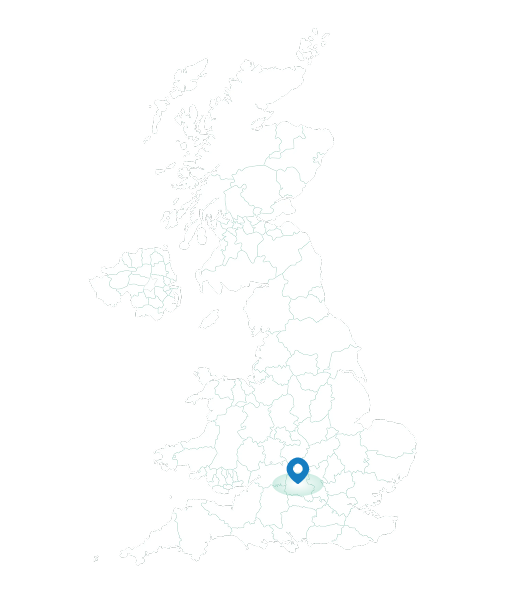
Heavy Periods Care in Milton Keynes, Bedford & Newport Pagnell
Women searching for heavy periods Milton Keynes clinics can access specialist gynaecology services locally, without the wait often associated with NHS referral pathways. The same applies for women travelling in from Bedford or Newport Pagnell, both a short drive from our Milton Keynes hospital.
A private gynaecology consultation provides an opportunity to discuss persistent heavy menstrual bleeding & possible underlying causes. Bloom Health provides consultant-led gynaecology care for heavy periods & irregular bleeding, with on-site blood tests & ultrasound scans.
Trust What Your Body Is Telling You
Heavy periods are common, but persistent or worsening symptoms are always worth having assessed. If your periods are affecting your daily life, that is reason enough to seek advice rather than manage alone.
If you are concerned about heavy periods or abnormal bleeding, book an appointment in Milton Keynes with Bloom Health.
Quick note :
This article provides general health information and does not constitute medical advice. For personalised guidance, diagnosis or treatment, please consult a qualified healthcare professional.
About this Article