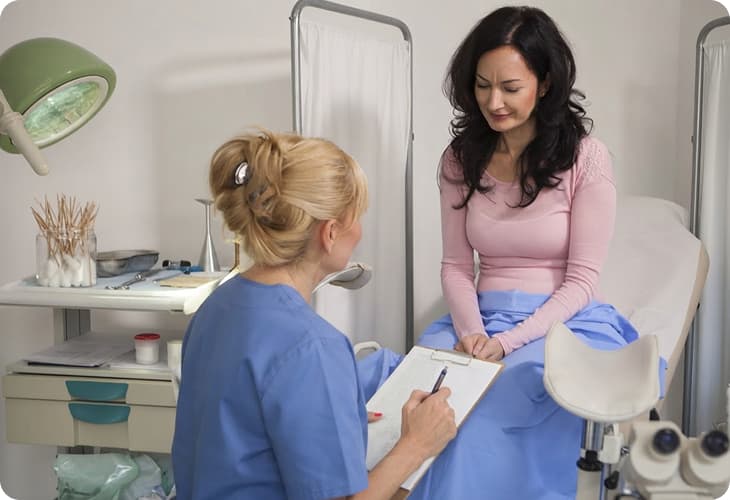
A private gynaecology consultation gives you time to discuss your symptoms, medical history and health concerns with a specialist.
You may be experiencing pelvic pain, changes in your periods or another gynaecological symptom. You may also want advice about your reproductive health or sexual health. However, you do not need to know what is causing your symptoms before you book.
A consultant gynaecologist can assess your concerns and explain whether you need further tests, treatment or monitoring.
Understanding what happens at a gynaecologist appointment can also help you feel more prepared.
What Is a Private Gynaecology Consultation?
A private gynaecology consultation is an appointment with a specialist who assesses concerns affecting the female reproductive system. Your consultant will first discuss your symptoms and medical history. They may then recommend an examination or further investigations. You will have an opportunity to ask questions and discuss any concerns before deciding on the next step.
When Should You Book a Private Gynaecology Consultation?
You can arrange a gynaecology consultation for many different concerns. You do not need to wait until your symptoms become severe. A specialist assessment may be appropriate if you experience:
- Pelvic pain
- Heavy or irregular periods
- Abnormal vaginal bleeding
- Pain during sex
- Changes in your menstrual cycle
- Ovarian cysts
- Fibroids
- Endometriosis
- Menopause-related symptoms
- Fertility concerns
- Sexual health concerns
You may also want an assessment after an abnormal scan or test result.
Your consultant can help identify possible causes and explain whether you need further investigation.
How to Prepare for a Private Gynaecologist Appointment?
You do not need extensive preparation for a private gynaecology treatment. Before attending, think about the symptoms you want to discuss. You can make a note of when your symptoms first appeared and any changes you have noticed over time. It may help to record:
- Your usual menstrual cycle
- Changes in bleeding
- Pelvic or abdominal pain
- Previous gynaecological conditions
- Medicines you take
- Previous procedures or surgery
- Previous scans or blood tests
- Questions you want to ask
Bring relevant medical reports if you have them. You do not need to prepare a formal medical history. Your consultant will guide the discussion.
What Happens at a Gynaecologist Appointment?
A gynaecologist appointment usually begins with a discussion about your health and the concerns that brought you in. Your consultant gynaecologist will ask about your symptoms, menstrual cycle, medical history and any relevant family history.
They will use this information to understand your concerns and plan the appropriate assessment. Your consultant may recommend an examination or further investigation if needed. They will explain each step before proceeding.
What Happens During the Initial Consultation?
The initial consultation focuses on understanding your concerns. Your consultant will review your medical history and ask about your current symptoms.
They may ask about:
- Previous gynaecological conditions
- Previous surgery
- Pregnancy history
- Contraception
- Medicines
- Menstrual changes
- Family history
- Previous investigations
These details can help your consultant understand your symptoms in context. They can then decide whether you need further assessment.
What Will Your Consultant Ask About Your Menstrual Cycle?
Your menstrual cycle can provide useful information about your gynaecological health. Your consultant may ask how often you have periods and how long they usually last. They may also ask about:
- Heavy bleeding
- Painful periods
- Irregular periods
- Bleeding between periods
- Changes in your usual cycle
You may also be asked whether your symptoms occur at a particular point in your cycle. If you track your periods, bring the information to your appointment.
Will You Need a Physical Examination?
Not every private gynaecology consultation requires a physical examination. Your consultant will assess whether an examination is appropriate for your symptoms. They will explain the purpose and process before the examination. You can ask questions or raise any concerns beforehand.
However, your consent is essential before the examination begins. You can also ask your consultant to stop if you feel uncomfortable.
Will You Need an Ultrasound Scan?
Your consultant may recommend an ultrasound scan when they need more information about your symptoms. An ultrasound can produce images of the pelvic organs. It can help assess the uterus, ovaries and surrounding structures. The scan can also provide information about the lining of the womb.
Your consultant may recommend an ultrasound if you have pelvic pain, abnormal bleeding or suspected ovarian cysts. You may not need a scan during every consultation. Your consultant will recommend one when it could help with your assessment.
What Is a Transvaginal Ultrasound?
A transvaginal ultrasound provides a closer view of the pelvic organs. During the scan, a trained healthcare professional gently places an ultrasound probe inside the vagina. The probe uses sound waves to create detailed images.
It can help assess the uterus and ovaries. Your clinician will explain the procedure before the scan starts. You can raise any concerns before proceeding.
Will You Need Blood Tests?
Your consultant may recommend blood tests when they could provide useful information about your symptoms. The tests will depend on your medical history and the concerns discussed during your appointment. Some blood tests can assess hormone levels or other aspects of your health. Your consultant will explain why they recommend each test.
Can You Discuss Pelvic Pain During Your Consultation?
Pelvic pain can have several possible causes. Your consultant will ask where you feel the pain and when it occurs. They may ask whether the pain changes during your menstrual cycle. They may also ask whether it affects your daily activities or causes pain during sex.
Depending on your symptoms, your consultant may recommend an examination, blood tests or an ultrasound scan. Further assessment can help identify the possible cause.
Can You Discuss Ovarian Cysts?
If you have ovarian cysts, your consultant can review your previous scan results and symptoms. They may ask about pelvic pain, changes to your periods and other symptoms. An ultrasound scan can help assess the cyst's size, appearance and location.
Some cysts may only require monitoring. Others may need further investigation or treatment. Your consultant will explain the most appropriate treatment options based on your symptoms and test results.
Can You Discuss Sexual Health?
You can discuss sexual health during your consultation. You may want to raise concerns about:
- Pain during sex
- Vaginal discomfort
- Unusual bleeding
- Changes in sexual function
- Contraception
- Fertility
Your consultant may ask relevant questions when they relate to your symptoms. These discussions form part of a comprehensive gynaecological assessment.
What About Cervical Screening and Smear Tests?
A smear test is another term commonly used for cervical screening. Cervical screening checks for high-risk HPV, which can cause changes in cervical cells. Screening can identify changes that may need further assessment. It also helps reduce the risk of cervical cancer.
A private gynaecology consultation does not automatically include cervical screening. If you have questions about your screening history, your consultant can discuss this with you.
How Can a Consultant Gynaecologist Diagnose and Treat Symptoms?
A consultant gynaecologist will review your symptoms, medical history and examination findings. They may recommend an ultrasound scan or blood tests to gather more information. These results can help your consultant diagnose and treat a range of gynaecological conditions.
Some conditions become clear during the first consultation. Others may require further investigations before your consultant confirms a diagnosis.
What Happens If You Need Further Tests?
Your consultant may recommend further investigations if they need more information. These may include:
- Ultrasound scans
- Blood tests
- Cervical screening
- Other diagnostic investigations
Your consultant will explain the purpose of each test. They can also explain what happens after you receive the results. Not every appointment leads to further testing. Your consultant may be able to provide advice based on your symptoms and assessment alone.
How Are Diagnosis and Treatment Decided?
Your consultant will consider several factors before recommending treatment.
These may include your:
- Symptoms
- Medical history
- Examination findings
- Scan results
- Blood test results
- Personal circumstances
Some conditions become clear during the first consultation. Others require further investigation.
Once your consultant has enough information, they can discuss your diagnosis and treatment options.
What Treatment Options Can Your Consultant Recommend?
Treatment options will depend on your diagnosis and individual needs. Some conditions may only require monitoring. Others may require medication, further investigations or a procedure. Your consultant will explain the recommended options and why they may be appropriate for you.
They can also discuss the potential benefits, risks and alternatives where relevant. This allows you to make an informed decision about your care.
What Happens After a Private Gynaecology Consultation?
Your consultant will explain the next steps before you leave. You may not need further treatment. If you need additional investigations, your consultant will explain what they involve. If treatment is appropriate, they will discuss the available options with you.
You may also need a follow-up appointment. The next step will depend on your individual assessment.
What Happens at a First Gynaecology Appointment?
A first gynaecology appointment usually involves a detailed discussion about your health. Your consultant will want to understand your symptoms and relevant medical history.
You may discuss your menstrual cycle, reproductive health and previous gynaecological concerns. You do not need to arrive with a diagnosis. Your consultant will guide the assessment from there.
Can You Bring Someone to Your Appointment?
If you feel more comfortable with someone you trust, ask the clinic about bringing a partner, friend or family member. You can also ask about a chaperone if you need an examination. If you have concerns about your appointment, discuss them with the healthcare team when you book.
Do You Need a GP Referral?
Private care can provide direct access to specialist assessment. If you are considering a private gynaecology consultation, you can contact the clinic to discuss your appointment options. You do not need to have a confirmed diagnosis before making an enquiry.
Private Gynaecology Milton Keynes
If you are considering private gynaecology in Milton Keynes Bloom Health offers specialist care. Our specialist team assesses symptoms such as pelvic pain, menstrual changes, abnormal bleeding, ovarian cysts and fibroids.
Where appropriate, we can arrange investigations such as ultrasound scans and blood tests to support your assessment.
Why Choose a Private Gynaecology Consultation?
A private gynaecology consultation gives you dedicated time to discuss your concerns with a specialist. You can ask questions about your symptoms and understand what further assessment may involve. Your consultant can explain your findings and discuss suitable treatment options where needed. This can help you make informed decisions about your women's health.
You do not need to know the cause of your symptoms before you book. That is exactly what the consultation is for.
If you are ready to talk to someone, book a private gynaecology consultation with Bloom Health. There is no referral required, and no obligation to have everything figured out beforehand.

Quick note :
This article is provided for general health information and educational purposes only. It is not intended to diagnose, treat or prevent any medical condition, and it should not be used as a substitute for personalised medical advice.
About this Article