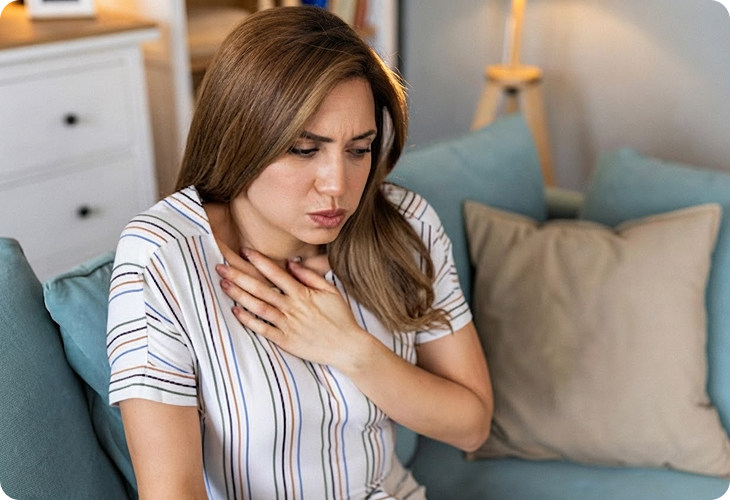
Shortness of breath can be frightening, especially when it starts without warning. You may feel unable to take a full breath, breathe faster than usual, or become breathless during an activity that normally feels easy.
Doctors call this feeling dyspnea. You might describe it as difficulty breathing, trouble breathing, or not being able to get enough air. Many people experience shortness of breath at some point, often linked to a temporary illness. It can also point to an underlying heart lung problem that needs attention.
Some causes are temporary, like a chest infection or asthma flare-up. Others, such as anaemia or a heart or lung condition, need ongoing management. Some breathing problems need emergency treatment. Others need a prompt but non-urgent medical assessment.
This guide covers the common causes of breathlessness, the symptoms to take seriously, and when to seek help. The most important thing to understand is the difference between breathlessness that needs an emergency response, and breathlessness that needs a prompt, but not emergency, medical assessment.
When Is Shortness of Breath an Emergency?
Some breathing problems are life-threatening. Call 999 immediately if you:
- Suddenly develop severe difficulty breathing
- Have breathlessness that is rapidly getting worse
- Cannot speak in full sentences because you are struggling to breathe
- Develop severe chest pain alongside your breathing problems
- Have blue, grey or very pale lips, face or fingertips
- Become confused, extremely drowsy or lose consciousness
- Have a severe asthma attack that does not improve with your reliever inhaler
- Develop breathing problems after an allergic reaction, or notice swelling of your lips, tongue or throat
- Are choking
Severe breathlessness can sometimes be a warning sign of a heart attack, so never ignore sudden or severe symptoms.
Do not drive yourself to a walk-in centre or emergency room if your symptoms are severe. Call 999 and follow the operator's instructions. In the UK, dial 999. If you are reading this outside the UK, use your own country's emergency number instead. For example, call 911 in the United States, where the American Heart Association lists shortness of breath as one of the warning signs of a heart attack.
If any of these apply, do not wait to see how things develop. Emergency care is the right place, immediately.
What Does Shortness of Breath Feel Like?
The sensation varies from person to person, and often depends on the cause. You might:
- Struggle to take a deep breath, or feel unable to get enough air
- Breathe faster than usual, or notice wheezing or noisy breathing
- Feel tightness in your chest
- Get breathless walking, exercising, or during everyday tasks you used to manage easily
- Need to stop and catch your breath
- Feel breathless lying down, or wake at night because of it
You may feel short of breath, including during daily activities you previously managed without any difficulty. Pay attention to any change from your normal breathing pattern. If it continues or worsens, arrange a medical assessment.
Common Causes of Shortness of Breath
Breathlessness can come from the airways and lungs, the heart, the blood, or the nervous system.
Chest infections
Inflammation in the airways or lungs makes breathing harder. You may also develop a cough, phlegm, fever, wheezing, chest discomfort, or fatigue. Most chest infections improve as the illness clears, but worsening breathing needs assessment.
Asthma
Inflammation and narrowing of the airways restrict airflow, causing wheezing, coughing, chest tightness and breathlessness. Symptoms often worsen at night, during exercise, or after a trigger. If your reliever inhaler does not help during an attack, call 999.
Colds and viral illnesses
A blocked nose, cough, and airway irritation can all make you feel more breathless. Most mild cases settle on their own — seek advice if breathing worsens or new symptoms appear.
Anxiety and panic
Rapid breathing during anxiety or panic can cause chest tightness, a racing heartbeat, dizziness or tingling. The breathlessness itself can heighten the anxiety, creating a cycle. If this pattern is familiar to you, it is worth saying clearly: the symptoms are real, and they deserve care rather than embarrassment.
That said, anxiety is a diagnosis to arrive at, not to assume. New breathlessness should be properly assessed first. This ensures physical causes are ruled out, and if anxiety is the driver, you can be confident in that answer and get the right support for it.
Anaemia
Reduced oxygen in the blood causes fatigue and breathlessness, particularly during exercise. Weakness, dizziness, headaches and a fast heartbeat can also occur. A blood test can help confirm anaemia and investigate its cause.
Heart and lung conditions
These often cause breathlessness that builds gradually — walking, climbing stairs, or daily tasks start to feel harder than before. Because heart lung symptoms can overlap, a clinician may need to assess both together. Watch for a persistent cough, wheezing, chest discomfort, chest pain, swollen ankles or unusual tiredness, and get these checked. Chronic obstructive pulmonary disease (COPD) is one of the more common long-term lung conditions linked to ongoing breathlessness.
Reduced fitness and weight
These can make physical activity feel harder, but do not assume they explain a new change in your breathing. A clinician should assess this rather than you self-diagnosing.
Shortness of Breath When Walking or at Rest
Breathing faster during exercise is normal. What matters is whether it has changed from your usual level. Get checked if you become breathless after a short walk, need to stop often, remain breathless after stopping, or struggle with activities you previously managed comfortably.
Breathlessness at rest is different. Sudden or severe difficulty breathing while resting is a medical emergency — call 999. Milder, persistent symptoms at rest still need attention, especially if they are new or worsening. Your doctor may ask whether it changes when you lie down, and about any cough, fever, chest pain, or swollen ankles.
When Should You See a Doctor?
Arrange a prompt assessment if you have:
- New or unexplained shortness of breath
- Breathlessness that keeps returning or is gradually worsening
- Breathlessness during normal activities, or difficulty breathing lying down
- Persistent wheezing
- A cough with fever or coloured phlegm
- Unusual tiredness alongside breathlessness
- Swollen ankles with breathing problems
- Coughing up blood
Do not wait for symptoms to become severe. Other underlying health conditions, such as anaemia or a heart lung disorder, can also cause ongoing breathlessness and are worth ruling out early. If you are unsure how urgent your situation is, call NHS 111. Call 999 if symptoms become severe or life-threatening.
A useful rule of thumb: sudden and severe means emergency care; gradual, mild, or clearly linked to a cold or infection means a same-day assessment is appropriate. If you are ever unsure which side of the line you are on, treat it as urgent and call 999 or 111.
How Is Shortness of Breath Diagnosed?
Your doctor will ask about your symptoms and history. This includes when they started, whether suddenly or gradually, and what makes them better or worse. They will also ask whether exercise, lying down, or a cough plays a role, plus your smoking history, inhaler use, current medicines, and any previous heart or lung conditions.
They will likely check your breathing rate, pulse, blood pressure, temperature and oxygen level, and listen to your chest. These findings guide whether you need further tests.
A few details help your doctor enormously. It is worth thinking through, before you arrive, what brings the breathlessness on (exertion, lying flat, cold air, stress), and what relieves it.
What Tests Might You Need?
There is no single test for every case of dyspnea — the right one depends on your symptoms and examination findings.
Not everyone needs every test — your clinician will recommend investigations based on your individual symptoms.
Blood tests
Blood tests can investigate anaemia, infection and inflammation. Bloom Health offers blood tests in Milton Keynes when clinically appropriate.
Chest X-ray
Chest X-ray (chest x ray) helps investigate certain lung and chest problems.
ECG
ECG records your heart's electrical activity, useful if a heart-related cause is suspected, including in the assessment of a possible heart attack.
CT scan
CT scan provides more detail than a standard chest x ray in some cases.
Lung function tests
Lung function tests measure how well your lungs work, useful for asthma, COPD and other conditions that affect lung function.
What Is Pulmonary Rehabilitation?
Pulmonary rehabilitation is a structured programme combining exercise, education and breathing techniques. It can benefit some people with COPD and other long-term respiratory conditions, but it is not right for every cause of breathlessness. A healthcare professional should assess your lung function before recommending it.
What Happens During a Same-Day Assessment?
A clinician will discuss your symptoms and history, then examine you and assess your breathing. This includes checking your oxygen level, pulse, blood pressure, and temperature, and listening to your chest for signs of heart lung problems.
If further investigation is appropriate, they may arrange blood tests, an ECG, or imaging. Next steps depend on the findings — treatment, further tests, monitoring, or referral elsewhere.
How to Prepare
Before your appointment, think about:
- When your symptoms started, and whether suddenly or gradually
- What makes your breathing better or worse
- Whether exercise or lying down affects it
- Any cough, phlegm, fever or chest pain
- Any swollen ankles
- Your smoking history, inhaler use, and regular medicines
- Any previous heart or lung conditions
Bring a list of your medicines if you can.
Take Shortness of Breath Seriously
A viral illness may cause temporary breathlessness, while persistent symptoms may need further investigation. Pay attention to any change from your normal breathing, and do not wait for symptoms to become severe before seeking advice. Breathing difficulties sit on a spectrum, from a chesty cold to a genuine emergency. The safest approach is simple: severe or sudden symptoms need 999, and everything else that worries you deserves a same-day assessment rather than a wait-and-see.
- Severe or rapidly worsening breathing difficulty: call 999.
- Unsure how urgent your symptoms are: call NHS 111.
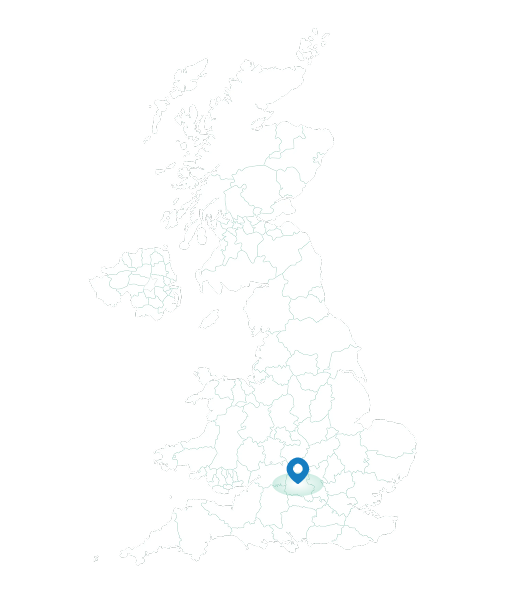
- Non-life-threatening symptoms in Milton Keynes: Bloom Health's Urgent Care Centre offers same-day, walk-in assessment for urgent but non-emergency concerns, open daily from 8 am to 10 pm, with experienced GPs and A&E consultants on hand. The team assesses adults and children. Where appropriate, the clinical team can also arrange blood tests and imaging on-site, or refer you on for specialist or emergency care.
People across Milton Keynes and nearby areas - including Bedford, Northampton, Newport Pagnell, Buckingham, and Leighton Buzzard — can have non-emergency breathing symptoms assessed locally, the same day.
For emergencies, always call 999 first. For everything else, walk in, or call the team on 01908 227777 if you are unsure whether an assessment is right for your symptoms.
Breathlessness is your body asking for attention. Give it the assessment it is asking for.

Quick note :
The information in this article is intended for general guidance and should not be taken as personalised medical advice. If you have concerns about your breathing or symptoms, speak to a qualified healthcare professional. Call 999 immediately for severe or life-threatening symptoms.
About this Article