- Category
- 10 min read
Winter Falls, Trips and Seasonal Injuries: Why This Time of Year Is Riskier Than We Realise
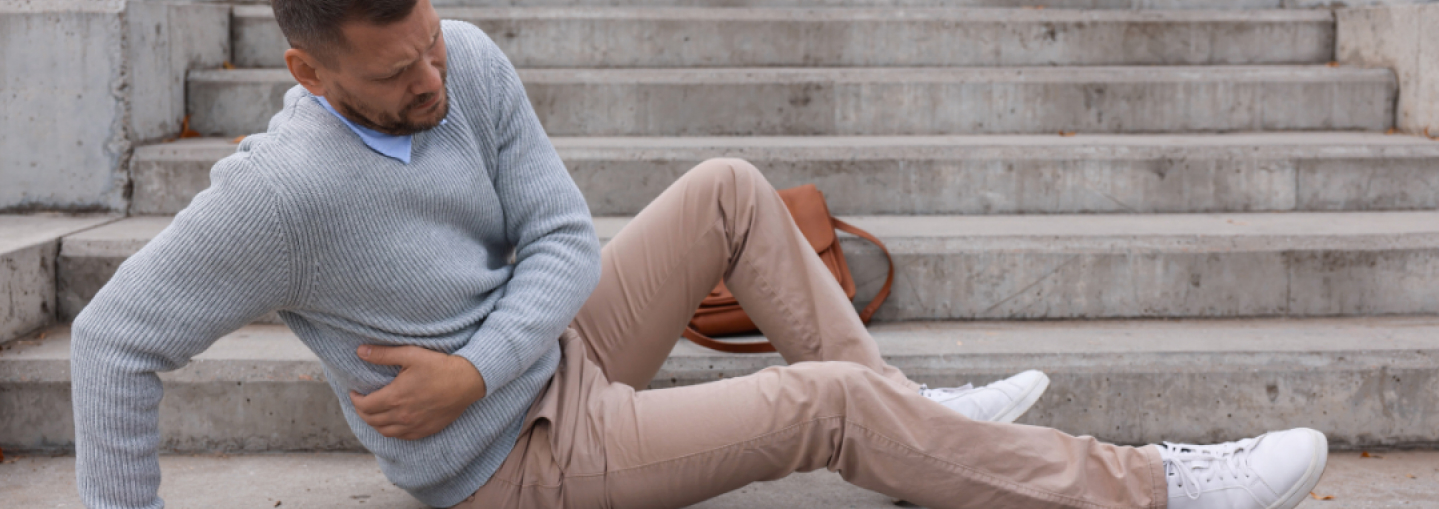
Winter in the UK brings a familiar mix of darker evenings, icy pavements and busy social calendars. From rushing to catch a train on a frosty morning to navigating slippery car parks, festive gatherings and late nights out, this season quietly increases the risk of falls, trips and avoidable injuries. For many people, these incidents feel minor at first, a slip on black ice, a stumble on wet steps, a twisted ankle after a night out. But across the country, hospitals see a clear seasonal rise in injuries during the winter months, particularly those linked to falls and accidents
Why Winter Increases the Risk?
Even a short walk that feels routine in summer can become risky in winter conditions. There isn’t one single cause. Instead, winter brings together several factors that make everyday environments less forgiving:
- Icy and wet surfaces on pavements, roads and car parks
- Reduced daylight, making hazards harder to see
- Bulky winter clothing and footwear that can affect balance
- Festive socialising and alcohol, which can slow reactions and coordination
- Rushing in cold weather, increasing the chance of slips and missteps
Common Winter Injuries
Slips, trips and falls are some of the most common causes of injury at work in the UK and globally, accounting for on average 40% of all reported major injuries in UK workplaces alone.
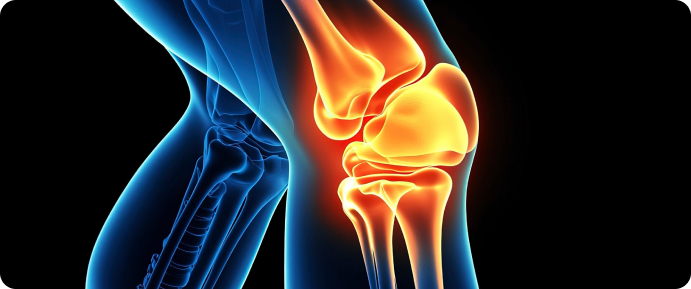
- Sprained ankles and wrists
- Twisted ankles and sprained wrists
- Minor fractures following slips or trips
- Back and shoulder injuries
- Cuts and bruises requiring assessment or treatment
The Hidden Impact on Healthcare Services
Winter pressures don’t just affect individuals, they affect the entire healthcare system. Across the UK, hospitals experience higher attendance levels during winter due to a combination of respiratory illness and injury-related admissions.
Recent reporting has highlighted that attendance levels are already around 8% higher this year than last year, with hospitals struggling to manage both seasonal illness and injury-related demand. In some cases, patients with relatively straightforward injuries have waited many hours for assessment or a bed due to system pressures.
These delays are frustrating for patients and challenging for healthcare staff who are working tirelessly under increasing strain.
When a Fall Needs Medical Attention
Not every slip requires emergency care, but it’s important to seek assessment if:
- Pain is severe or worsening
- You cannot put weight on a limb
- There is swelling, deformity or loss of movement
- You hit your head or feel dizzy afterward
- Symptoms don’t improve over time
Prompt assessment can help rule out fractures, guide treatment and reduce the risk of longer-term problems.
Looking Ahead: Why Accessible Care Matters
Winter injuries highlight a simple truth: health concerns don’t arrive on a schedule. Slips, falls and sudden pain happen in real time, often outside traditional appointment hours and often when people least expect it.
As the UK continues to face winter pressures year after year, there is a growing need for healthcare models that can support people quickly, safely and appropriately, without unnecessary delays or overcrowding.
At Bloom Health Hospital, our vision is rooted in addressing exactly these gaps, offering accessible, patient-centred care designed to support communities during high-pressure seasons like winter, when timely assessment and reassurance make all the difference.
This winter, take extra care when walking, driving and socialising. And if a fall or accident does happen, knowing when and where to seek the right level of care can help ensure faster recovery and peace of mind.
Find Us Easily